

Ich, der seit Jahren die Casinos in Österreich beobachtet, ist auf der Suche nach einem einzigartigen Mix: Spannung beim Spiel und eine tatsächliche Möglichkeit auf Gewinne. Genau diesen Mix trifft man beim Spinfin Casino. Für uns österreichische Spieler, die auf Qualität, Absicherung und reinen Spielspaß setzen, legt Spinfin die Anforderungen hoch. Ich habe die Plattform nicht nur angesehen, sondern intensiv gespielt. Meine persönliche Erfahrung macht deutlich, dass es hier nicht um eine normale Standardseite geht. Spinfin ist ein intelligentes System, das Ihnen den effizientesten und vergnüglichsten Pfad zu profitablen Auszahlungen ebnen will. Die Anmeldung ist in Sekunden erledigt, Einzahlungen sind sofort wirksam, und die Spiele begeistern mit fesselnden Features und guten Auszahlungsquoten. Bei Spinfin wird keine Minute verschwendet. Das Casino erkennt, dass es im Glücksspiel um den Augenblick geht, und baut eine direkte Verbindung zwischen Ihrem Spielleidenschaft und dem Sieg, bares Geld zu gewinnen.
Aus welchem Grund österreichische Spieler Spinfin als ihren persönlichen Glücksspiel-Shortcut wählen
In Österreich fällt die Wahl auf ein Online-Casino nicht einfach. Die Regulierung ist anspruchsvoll, die Erwartungen der Spieler sind hoch. Genau hier glänzt Spinfin. Was mich als Spieler aus Österreich sofort beeindruckte, ist die unverblümte Art der Seite. Es gibt kein überflüssiges Drumherum, keine Bonusbedingungen, die man erst mühsam entziffern muss. Stattdessen erlebt man Transparenz und Tempo. Die Lizenz der Malta Gaming Authority bietet ein solides Fundament aus Vertrauen und Sicherheit, das für uns hierzulande obligatorisch ist. Spinfin setzt noch einen drauf. Die gesamte Oberfläche ist auf Deutsch, der Kundenservice beherrscht meine Sprache, und die Zahlungsmethoden sind eben jene, die ich aus meinem Alltag in Österreich verwende und schätze: Sofortüberweisung, giropay und andere. Dieses tiefe Verständnis für den lokalen Markt ist der entscheidende Faktor. Es fühlt sich nicht an wie ein internationaler Riese, der ein Einheitsprodukt präsentiert. Es scheint wie eine Plattform, die für mich als Spieler aus Österreich konzipiert wurde. Der Shortcut zum Erfolg startet mit diesem Gefühl, willkommen und richtig untergebracht zu sein.
Der Schnellstart: Zügige Kontoerstellung und direkte Transaktionen
Kommen wir zum Wesentlichen. Oft verschlingt die Anmeldung bei Online-Casinos die meiste Zeit. Bei Spinfin ist das Geschichte. Ich war erstaunt, wie schnell ich vom ersten Mausklick bis zum ersten Einsatz am virtuellen Roulettetisch war. Die Registrierung reduziert sich auf das Wesentliche – einige Angaben machen, bestätigen, und schon kann es losgehen. Noch eindrucksvoller ist der Einzahlungsvorgang. In einer Branche, wo Gutschriften oft Tage in Anspruch nehmen, vertraut Spinfin auf unverzügliche Transaktionen. Ich habe selbst Einzahlungen per E-Wallet und Online-Überweisung getestet. Das Geld lag in Sekunden auf meinem Spielerkonto. Diese Geschwindigkeit ist kein Glück, sondern System. Sie stellt sicher, dass Ihre Spiellust nicht durch technische Hürden gebremst wird. Sollten Sie Appetit auf eine Runde an den Slots haben oder die Spannung am Live-Blackjack-Tisch spüren wollen, dann wünschen Sie das unverzüglich, nicht in einer Stunde. Spinfin versteht diese Ungeduld und gestaltet alle Vorgänge entsprechend. Diese sofortige Liquidität ist der erste wichtige Turbo auf dem Weg zum Gewinn. Sie erlaubt es Ihnen, im geeigneten Zeitpunkt zu handeln, wenn Ihre Strategie oder Ihr Bauchgefühl es erfordert.
Der Spielplatz der Gewinner: Slots, Tischspiele und Live-Dealer Höhepunkte
Der schnellste Einzahlungsvorgang bringt kaum, wenn die Spiele nicht überzeugen. An dieser Stelle fängt bei casino spinfin bonus code ohne einzahlung die wahre Reise. Die Spielesammlung ist eine prall gefüllte Schatzkiste, die in Zusammenarbeit mit den führenden Software-Anbietern der Branche ausgestattet wird. Marken wie NetEnt, Play’n GO, Pragmatic Play und Evolution Gaming stehen für exzellente Grafik, mitreißendes Gameplay und vor allem gerechte Gewinnchancen. Ich verbrachte viele Stunden mit den neuesten Video-Slots, deren Bonusrunden und Megaways-Features schlicht fesseln. Auch für den klassischen Spieler gibt es Angebote: Blackjack, Roulette und Baccarat in vielen Varianten präsentieren die perfekte Mischung aus Strategie und Glück. Mein persönliches Highlight ist der Live-Casino-Bereich. In diesem Bereich spiele ich in Echtzeit mit realen, geschulten Dealern, die aus besonders designten Studios das Spiel steuern. Das Gefühl ist authentisch, die Interaktion spaßt, die Spannung liegt in der Luft. Ganz gleich, ob Sie den Nervenkitzel beim Lightning Roulette bevorzugen oder die anspruchsvolle Tiefe von Live Blackjack schätzen – dieser Bereich ist Ihre unmittelbare Verbindung zum authentischen Casino-Erlebnis, ohne das Wohnzimmer zu verlassen. Jedes Spiel in dieser Auswahl kann der schnellste Weg zu einer großen Auszahlung.
Bonus-Kraft: So Sie Ihre Gewinnchancen ab dem ersten Moment maximieren
Ein kluger Spieler nutzt jeden Vorzug. Bei Spinfin erhalten Sie diese Vorteile großzügig präsentiert. Die Willkommensangebote wurden so gestaltet, dass sie Ihnen sofort mehr Spielkapital bereitstellen. Ich empfehle aber immer, die Bedingungen nicht nur zu überfliegen, sondern wirklich zu verstehen. Bei Spinfin erscheinen diese Bedingungen ausgewogen und transparent formuliert. Die Umsatzanforderungen befinden sich im branchenüblichen Rahmen und sind vorrangig klar kommuniziert. Sehr gut gefallen mir die regelmäßigen Aktionen und Treuebelohnungen, die jenseits des Neukundenbonus hinausgehen. Freispiele für sehnlichst erwartete Slot-Neuheiten, Cashback-Angebote an festgelegten Wochentagen oder spezielle Turniere – das Angebot wirkt lebendig und fördert zum Wiederkehren. Diese Boni sind kein Selbstzweck, sondern wohlüberlegte Hilfsmittel. Sie dehnen aus Ihre Spielzeit, erlauben es Ihnen, mehr Spiele zu testen und vergrößern so statistisch die Chance auf den großen Gewinn. Verwenden Sie sie verantwortungsvoll als Teil Ihrer Bankroll-Strategie. Ein Bonus fungiert wie ein Booster. Er vergrößert Ihr Startkapital und verschafft Ihnen mehr Möglichkeiten, den Jackpot zu gewinnen oder eine erfolgreiche Serie bei den Tischspielen zu starten.
Schutz und Gerechtigkeit: Das Fundament Ihres Spielerlebnisses
Die gesamte Begeisterung für Erfolge und Spielspaß bliebe unvollständig, wenn sie nicht auf einem stabilen Fundament aus Sicherheitsmaßnahmen und Gerechtigkeit beruhte. Das schätzen wir in Österreich ganz besonders zu schätzen. Spinfin misst dem eine Bedeutung bei, der mich als Spieler beruhigt. Die erwähnte Lizenz der Malta Gaming Authority ist weit mehr als ein Logo unten auf der Seite. Sie ist ein lebendiges Versprechen. Sie steht dafür, dass das Casino klaren Richtlinien zum Spielerwohl, zur finanziellen Transparenz und zur Sicherheit aller Transaktionen folgt. Alle Spiele werden von externen Prüforganisationen wie eCOGRA auf ihre Zufallsgeneratoren getestet. Das sichert zu faire und zufällige Ergebnisse. Meine privaten Daten und Geldbewegungen sind durch eine moderne SSL-Verschlüsselung abgesichert, wie man sie von namhaften Banken kennt. Zudem bietet Spinfin umfangreiche Tools für kontrolliertes Spielen: Depositlimits, Zeitlimits oder die Option einer Selbstbeschränkung. Diese Vorkehrungen zeigen, dass das Casino seine Spieler nicht allein als Kunden, sondern als Partner sieht, deren Wohl im Mittelpunkt steht. Nur auf diesem geschützten Boden kann der Unterhaltungswert und die Verfolgung von Gewinnen wirklich sorgenfrei und mit voller Energie erlebt werden.
Der rascheste Weg zu Ihrer persönlichen Auszahlung: Geld abrufen ohne Wartezeiten
Der wahre Triumphmoment in einer Spielbank ist nicht der Gewinn auf dem Bildschirm. Es ist der Augenblick, in dem das Geld sicher auf Ihrem Konto landet. Auch hier bleibt Spinfin seinem Tempo-Prinzip treu. Die Abhebungszeiten gehören zu den rasantesten, die ich auf dem Markt gesehen habe. Sobald Ihre Abhebung beantragt und verifiziert ist, arbeitet die Finanzabteilung effizient daran, Ihr Geld zu überweisen. Bei E-Wallets wie Skrill oder Neteller sind die Erfolge oft schon nach wenigen Stunden, manchmal sofort, verfügbar. Auch Banküberweisungen werden zügig bearbeitet. Dieser rasche Ablauf ist psychologisch enorm wichtig. Er schafft Glaubwürdigkeit und stillt das natürliche Verlangen, den Erfolg auch physisch zu spüren. Nichts ist ärgerlicher, als auf einen verdienten Gewinn wochenlang warten zu müssen. Bei Spinfin erlebt man das Gegenteil. Ihre Gewinne werden wertgeschätzt und mit derselben Priorität behandelt wie Ihre Einzahlungen. Dieser problemlose, schnelle Auszahlungsprozess ist der abschließende, entscheidende Teil des Shortcuts. Er schließt den Kreis von der Einzahlung über den Spielspaß bis zum verdienten Gewinn auf Ihrem Konto und macht die gesamte Erfahrung rund und zufriedenstellend.

Meisterhaftes Spielen: Hinweise für Ihre persönliche Strategie bei Spinfin
Ein Casino stellt die Plattform. Der Spieler verfasst seine eigene Geschichte. Um Ihre Gewinnchancen bei Spinfin zu erhöhen, können ein paar grundlegende Strategien unterstützen. Erstens: Lernen Sie Ihre Spiele kennen. Bevor Sie echtes Geld setzen, nutzen Sie die Demo-Versionen der Slots. So verstehen Sie die Features, die Symbole und das Volatilitätsverhalten. Ein Hochvolatilitäts-Slot zahlt seltener, aber dann höher aus. Ein Niedrigvolatilitäts-Slot bringt regelmäßig kleinere Gewinne. Stimmen Sie ab Ihre Einsätze und Ihre Bankroll dieser Eigenschaft an. Bei Tischspielen wie Blackjack ist eine grundlegende Strategie notwendig. Im Internet gibt es kostenlose Charts, die die mathematisch beste Entscheidung für jede Kartenkombination zeigen. Wenn Sie diese anwenden, senken Sie den Hausvorteil auf ein Minimum. Ein klares Bankroll-Management ist ebenso wichtig. Setzen Sie sich ein Budget für eine Session und respektieren Sie es. Unterteilen Sie dieses Budget in kleine Einheiten auf und unterlassen Sie, Verluste nachzujagen. Verwenden Sie die Boni klug, aber bauen Sie nie nur auf sie. Und zum Schluss: Spielen Sie die Spiele, die Ihnen Freude machen. Ein entspannter, klarer Kopf fällt bessere Entscheidungen als einer, der unter Druck leidet. Spinfin liefert Ihnen alle Werkzeuge. Sie sollten sie nur mit Bedacht und Spaß nutzen.
Der Handy-Vorteil: Spielen und Siegen von jedem Ort in Österreich
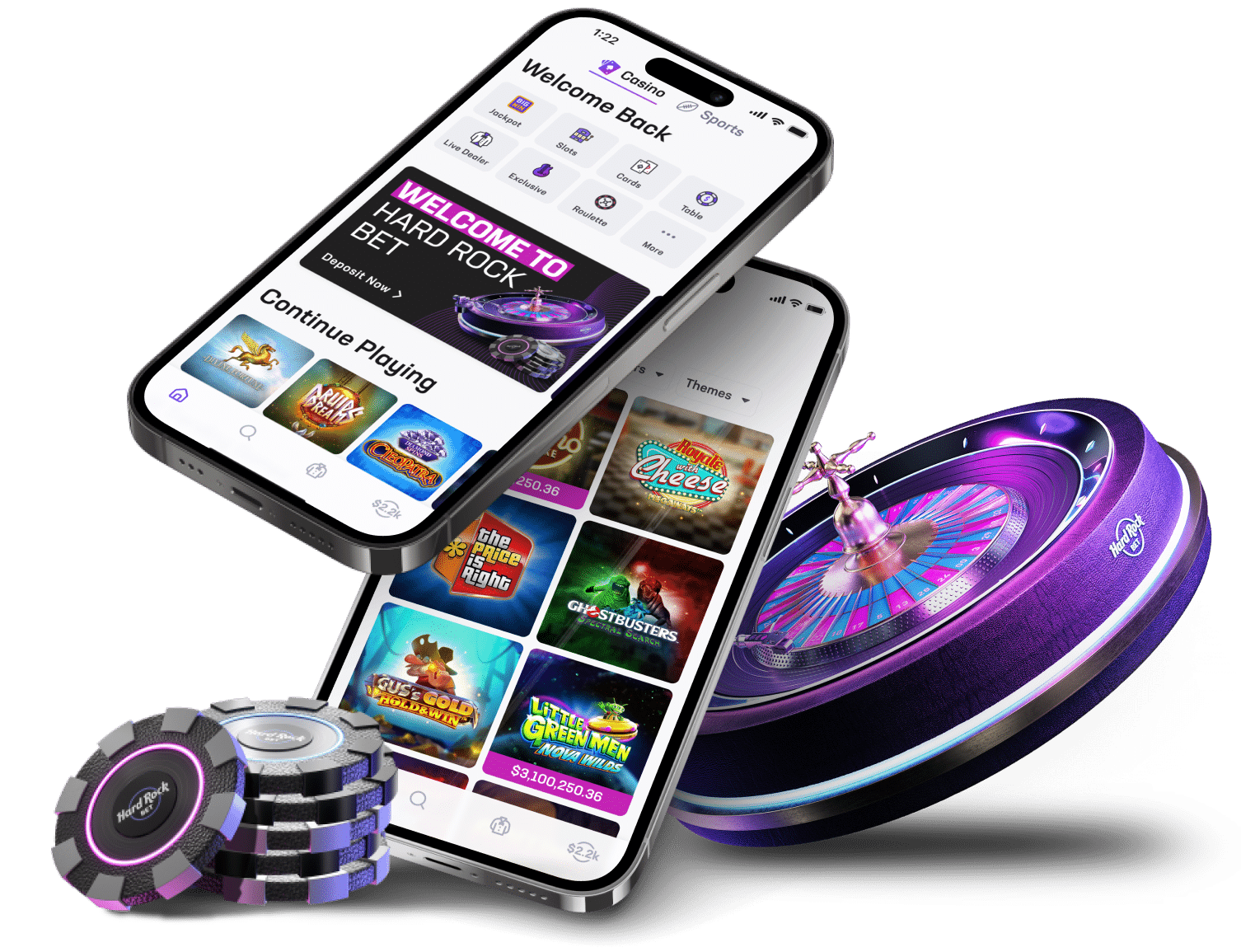
Unser tägliches Leben ist mobil. Ihr Weg zu fetten Gewinnen sollte das ebenfalls sein. Die mobile Erfahrung bei Spinfin ist keine reduzierte Version der Desktop-Seite. Sie ist eine gleichwertige Alternative, die mich beeindruckt hat. Egal ob auf dem Smartphone oder Tablet, die Website passt sich perfekt an jedes Display an. Die Ladezeiten sind gering, die Steuerung per Touch ist intuitiv, und das komplette Spielangebot steht zur Verfügung. Das heißt konkret, Sie können den Nervenkitzel der Live-Dealer oder die spannenden Bonusrunden Ihrer Favoriten-Slots auch mobil erleben – in der U-Bahn in Wien, in einem Salzburger Café oder im Grazer Park. Diese permanente Verfügbarkeit ist ein echter Pluspunkt. Sie erlaubt es Ihnen, spontan zu spielen, wenn die Lust kommt, oder zwischendurch ein paar Runden zu drehen. Vor allem für Live-Wetten oder befristete Promotionen ist diese Mobilität unschlagbar. Die mobile App oder die mobilfreundliche Website laufen stabil und sicher. So können Sie sich voll auf das Spiel konzentrieren. Ihr schneller Weg zu Echtgeldgewinnen findet so buchstäblich in Ihre Hosentasche. Er führt Sie durch das ganze Land, immer gewappnet für den nächsten dicken Fang.
Kundenbetreuung, der Sie unterstützt
Wenn Sie eine Frage haben oder ein Problem auftritt, ist es hilfreich zu wissen, dass ein kompetentes Team für Sie da ist. Der Kundenservice von Spinfin ist ein weiterer Grund für die positive Erfahrung mit der Plattform. Das Team ist jederzeit per Live-Chat verfügbar – und das ist keine Floskel. Ich habe den Chat zu unterschiedlichen Tages- und Nachtzeiten getestet. Immer bekam ich innerhalb von Sekunden eine hilfsbereite Antwort auf Deutsch. Für komplexere Anliegen gibt es auch Support per E-Mail. Die Mitarbeiter sind nicht bloß freundlich, sondern auch fachkundig. Sie helfen bei technischen Anliegen zu Spielen, bei Fragen zu Transaktionen oder bei Bonusbedingungen präzise und lösungsorientiert weiter. Dieser Service beseitigt Hindernisse, wenn einmal etwas fraglich sein sollte. In einer Branche, in der man sich oft als Nummer in einer Datenbank fühlt, macht dieser persönliche, effiziente Support einen bedeutenden Unterschied. Er zeigt, dass Spinfin ein nachhaltiges Interesse an seinen Spielern hat und dafür sorgt, dass Ihre Reise zum Gewinn so glatt und angenehm wie möglich verläuft. Das gibt Sicherheit und vergrößert den Spielspaß.
Spinfin Casino ist für österreichische Spieler exakt das, was der Titel verspricht: ein direkter, schneller und spannender Weg zu Echtgeldgewinnen. Die Kombination aus einer benutzerfreundlichen und sicheren Plattform, einer hervorragenden Spielauswahl von Top-Anbietern, blitzschnellen Transaktionen und einem Service auf Deutsch 24 Stunden am Tag nimmt alle Hindernisse. Hier können Sie sich ganz auf das Wesentliche konzentrieren – den Spaß am Spiel und die Jagd nach dem großen Gewinn. Von der zügigen Anmeldung bis zur zügigen Auszahlung ist jeder Schritt darauf ausgelegt, Ihre Zeit zu schätzen und Ihr Spielerlebnis zu steigern. Wenn Sie bereit sind, Ihre Casino-Erfahrung in Österreich zu verbessern, dann bietet Spinfin den passenden Startpunkt für eine spannende und potenziell einträgliche Reise.